

The Unintended Consequences of Restrictive Eating

What are you replacing when you eliminate foods?
I see it in my I see it in my practice constantly: patients losing weight are so focused on eating less that they forget to eat enough of what matters.
Some avoid red meat. Others choose vegetarian or vegan lifestyles. Some remove dairy or gluten. Others have eliminated entire food categories after documentaries or social media advice.
These choices aren't necessarily wrong.
But they all lead me to ask the same question:
What nutrients are you replacing?
Too often, the focus is on what we've removed rather than whether we've replaced what those foods were providing.

There Is No One "Perfect" Diet
One of the biggest misconceptions in nutrition is that there is a single way everyone should eat.
The truth is that healthy eating can take many forms—omnivorous, vegetarian, pescatarian, or vegan. The common denominator isn't the label. It's whether the diet provides your body with the nutrients it needs to support energy, muscle, metabolism, bone health, brain function, and long-term wellness.
Every Food Group Contributes Something
When you remove a food group, you don't just remove calories. You may also remove important vitamins, minerals, healthy fats, amino acids, or other nutrients.
If you avoid red meat
You may need to pay closer attention to:
Iron
Vitamin B12
Zinc
Creatine
High-quality protein
Red meat isn't the only source of these nutrients, but it is one of the richest
If you're pescatarian
Fish is an excellent source of protein and omega-3 fatty acids. But not everyone eats enough fish or enough total protein to meet their needs—especially if you're preserving muscle while losing weight. You may also need to monitor:
Iron
Vitamin B12
Adequate calorie intake
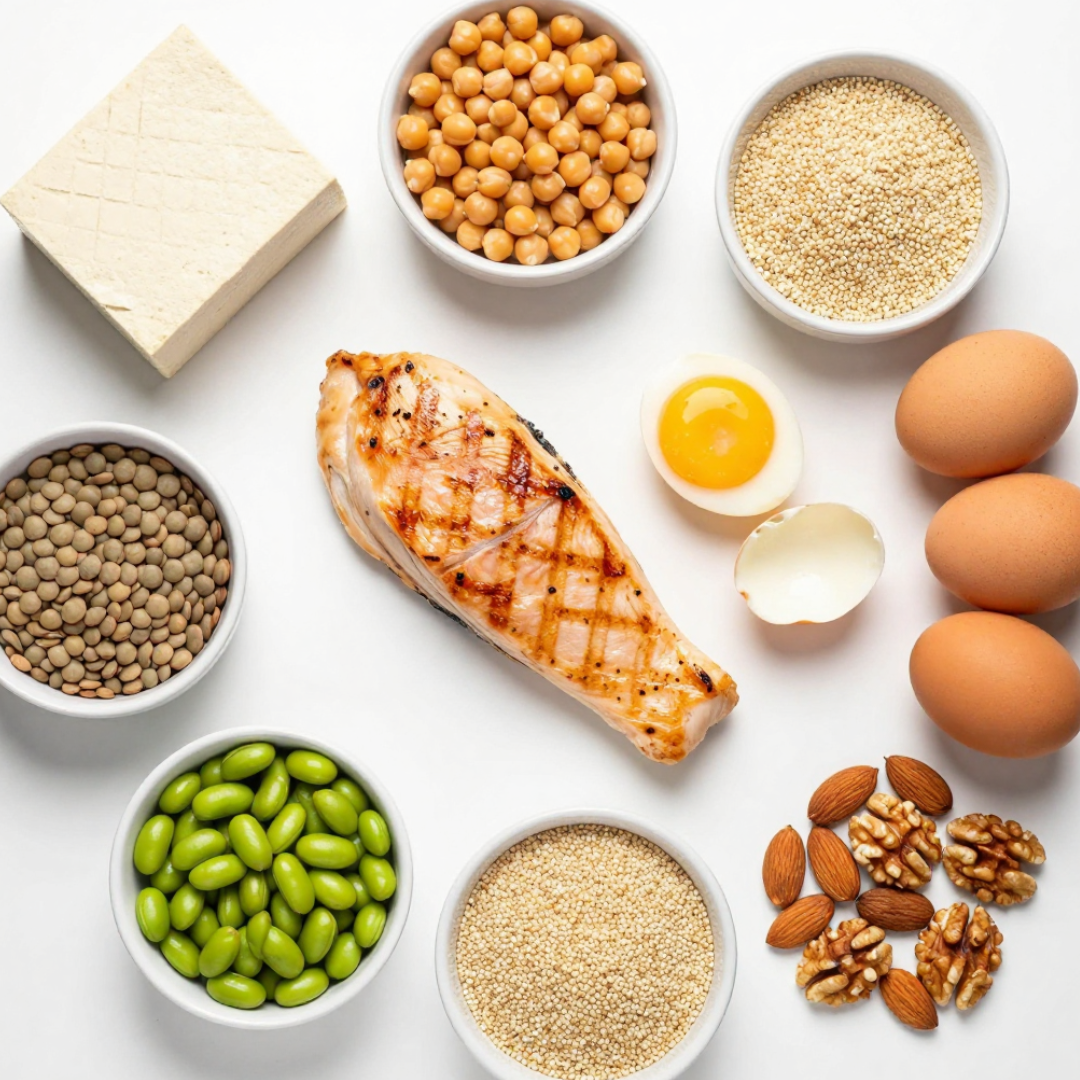
If you're vegetarian or vegan
A thoughtfully planned vegetarian or vegan diet can absolutely support good health. Nutrients deserving special attention include:
Vitamin B12
Iron
Zinc
Calcium
Vitamin D
Iodine
Omega-3 fatty acids
Protein (particularly adequate leucine intake to support muscle protein synthesis)
These can often be obtained through fortified foods, careful meal planning, or supplements when appropriate.
If you've eliminated dairy
Dairy provides more than calcium—it also contributes protein, vitamin D (when fortified), phosphorus, and nutrients important for bone and muscle health. If dairy isn't part of your diet, make sure you're replacing these nutrients from other sources.
If you're gluten-free
For people with celiac disease or medically confirmed gluten sensitivity, avoiding gluten is essential. But many choose a gluten-free diet believing it is automatically healthier.
Many processed gluten-free products contain less fiber, less protein, and fewer B vitamins than their traditional counterparts. Simply replacing one processed food with another doesn't necessarily improve your diet quality.
Healthy Eating Is About Intentionality, Not Restriction
One pattern I see repeatedly: patients proudly listing everything they've stopped eating. What I rarely hear is how they've intentionally replaced the nutrients those foods once provided.
Healthy eating isn't measured by the length of your "do not eat" list. It's measured by whether your body is receiving everything it needs to function well.

The Goal Is Balance, Not Perfection
Your medical conditions, medications, age, activity level, culture, values, and personal preferences all influence what an ideal eating pattern looks like for you.
There is nothing wrong with choosing to avoid certain foods. The key is making those choices intentionally and understanding what nutritional gaps they may create.
My Advice
Before eliminating another food group, ask yourself one simple question:
If I stop eating this, what nutrients am I giving up, and how will I replace them?
That single question often leads to a much healthier conversation than asking whether a food is simply "good" or "bad."
As a physician, my goal isn't to convince people to eat a particular diet. It's to help them build a way of eating that is nutritionally complete, sustainable, and tailored to their individual needs.
Because healthy eating isn't about eating less. It isn't about maintaining the longest list of foods to avoid.
It's about giving your body what it needs to thrive.
Questions about your nutrition or metabolic health? Schedule a consultation with Dr. Karen.